Must-Have Instruments for Implant Procedures

Dental implant procedures have revolutionized the way we approach tooth replacement. With advancements in technology and dental techniques, implants are now a common solution for restoring smiles, improving oral health, and enhancing overall confidence. However, the success of dental implant procedures doesn’t solely depend on skill, it also relies on having the right dental implant instruments and tools.
In this blog, we’ll explore the essential dental implant tools, their uses, and how investing in quality instruments can improve the efficiency and outcome of your implant procedures.
Understanding Dental Implant Procedures
A dental implant is a small titanium post that is surgically placed into the jawbone, acting as a replacement root for a missing tooth. Once the implant integrates with the bone, a crown is placed on top, restoring both function and aesthetics.
Implant procedures are considered highly predictable and successful when performed with precision. This precision is largely determined by the dental implant instruments used. From initial bone preparation to final placement, each step requires specialized tools to ensure accuracy, safety, and patient comfort.
Why Choosing the Right Dental Implant Instruments Matters
The range of dental implant instruments available today is vast, each designed for a specific step in the procedure. Using the wrong tool or a low-quality instrument can lead to complications such as bone damage, implant instability, or prolonged healing times.
Quality instruments provide:
• Accuracy: Ensuring correct angulation and depth.
• Safety: Minimizing trauma to surrounding tissues.
• Efficiency: Reducing procedure time and patient discomfort.
• Predictable outcomes: Supporting long-term implant success.
For example, a high-quality dental implant drill kit can make all the difference in achieving stable osseointegration, the process where the implant fuses with the jawbone.
Essential Dental Implant Instruments
1. Implant Surgical Kit
A comprehensive dental implant surgical kit is the backbone of any implant procedure. These kits typically include drills, depth gauges, drivers, and other instruments required for precise implant placement.
For practitioners looking for reliable implant kits, check out our full range of dental implant instruments here. Each kit is designed for precision and ease of use, helping streamline your procedures.
2. Surgical Drills and Burs
Drills and burs are used to prepare the bone site for the implant. Choosing the correct drill diameter and type is critical to avoid overheating the bone, which could compromise the success of the implant.
Modern implant drills often come with ergonomic handles and color-coded systems, making it easier for clinicians to select the right tool quickly. These innovations not only enhance accuracy but also reduce fatigue during longer procedures.
Explore high-quality dental implant drills that ensure smooth, precise bone preparation.
3. Implant Drivers and Wrenches
Once the bone site is ready, an implant driver is used to insert the implant into the jaw. Drivers come in various forms, manual, ratchet, or torque-controlled, allowing for controlled and safe placement.
Torque control is especially critical, as over-tightening can damage the bone and under-tightening can compromise implant stability. A reliable implant driver guarantees that the implant is positioned perfectly and functions well in the long term.
You can find premium dental implant drivers designed for precision and control.
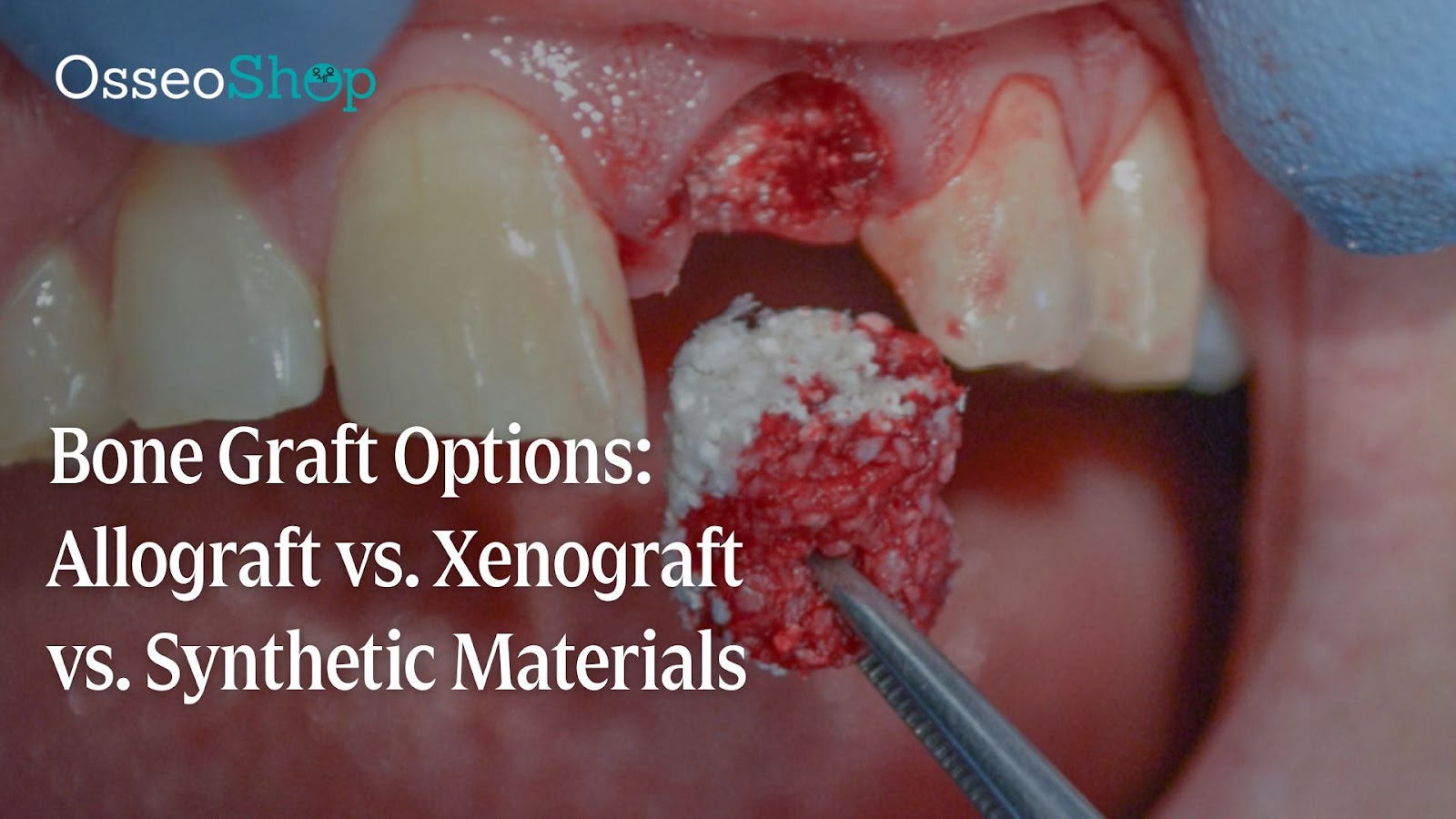
4. Bone Grafting Instruments
Some implant procedures require bone grafting, particularly in patients with insufficient bone density. Specialized bone grafting instruments like curettes, chisels, and elevators allow for careful manipulation of bone tissue and graft material.
High-quality bone grafting tools ensure that grafts are applied evenly and securely, providing a strong foundation for the implant. This step is vital for patients seeking long-term success with dental implants.
Check out our selection of bone grafting instruments to ensure predictable results.
5. Depth Gauges and Measuring Tools
Accurate measurement is essential for implant success. Depth gauges, probes, and calipers allow clinicians to assess bone height, thickness, and angulation before and during placement.
These measuring tools help avoid potential complications like nerve injury or sinus perforation. They are a must-have for any practitioner performing implant procedures.
Discover precision measuring instruments for dental implants that simplify your workflow.
6. Suturing and Soft Tissue Instruments
Implant procedures often involve soft tissue management, requiring instruments like needle holders, tissue scissors, and forceps. Proper soft tissue handling is crucial for healing and aesthetic outcomes.
High-quality suturing instruments allow for precise, atraumatic closure of the surgical site, promoting faster recovery and minimizing post-operative discomfort.
Explore soft tissue instruments for dental implants to enhance your surgical outcomes.
Tips for Maintaining Your Dental Implant Instruments
Even the most advanced and high-quality dental implant instruments require consistent care and maintenance to ensure longevity, precision, and performance. These tools are a significant investment for any dental practice, and keeping them in top condition not only protects that investment but also guarantees the highest level of patient safety and procedural accuracy.
Here are some essential practices every dental professional should follow:
1. Sterilization: Proper sterilization is the cornerstone of instrument maintenance. Always follow the manufacturer’s specific guidelines for autoclaving or chemical sterilization to prevent corrosion or material damage. Make sure to use the correct temperature, pressure, and cycle duration during autoclaving, and allow instruments to dry completely before storage. For tools not suitable for heat, use approved chemical sterilants while carefully following dilution and exposure time instructions. This step ensures all microorganisms are eliminated without compromising the instrument’s integrity.
2. Regular Inspection: Before each procedure, perform a thorough inspection of your instruments. Look for signs of wear, rust, cracks, or dull edges, especially in cutting or rotating tools like drills and burs. Any damage, even minor, can affect performance and patient safety. Replace or service worn-out instruments promptly to maintain surgical precision and avoid procedural complications.
3. Proper Storage: Store your instruments carefully to avoid accidental damage and contamination. Use dedicated trays, cassettes, or instrument kits to keep tools organized and protected. Ensure the storage area is clean, dry, and temperature-controlled, as moisture or poor handling can lead to corrosion or misalignment. Always handle instruments gently and avoid stacking or overcrowding them, which can dull or deform delicate tips.
4. Sharpening and Calibration: Precision instruments such as drills, burs, and drivers must be kept in optimal working condition. Regular sharpening ensures clean and efficient cutting, while calibration maintains accurate torque and fit during implant placement. Use professional sharpening services or manufacturer-approved maintenance tools to preserve their original geometry. Keeping these instruments finely tuned reduces surgical time and enhances procedural outcomes.
Maintaining your dental implant instruments is more than just a routine, it’s a professional responsibility. With proper cleaning, inspection, sterilization, and storage, you ensure consistent performance, patient safety, and a longer lifespan for your tools. In the long run, this not only safeguards your investment but also supports smoother, safer, and more successful implant procedures.
Common Challenges in Implant Procedures and How Instruments Help
Dental implant procedures, while highly effective, come with a range of challenges that require precision, skill, and the right instruments to overcome. Understanding these challenges and how the proper tools can assist ensures smoother surgeries, minimizes complications, and improves patient outcomes.
1. Achieving Accurate Placement: One of the biggest challenges in implant surgery is placing the implant at the exact angle and depth. Misalignment can lead to poor bone integration, implant failure, or damage to surrounding structures. Precision instruments like calibrated drills, depth gauges, and surgical guides allow clinicians to measure accurately and place implants with confidence. These tools reduce errors and ensure that implants are positioned optimally for long-term success.
2. Maintaining Bone Integrity: During drilling and insertion, there’s a risk of damaging the surrounding bone tissue. High-quality implant instruments, including sharp burs and torque-controlled drivers, help perform procedures efficiently without exerting excessive force. Controlled drilling minimizes trauma, preserves bone structure, and promotes faster healing.
3. Managing Soft Tissue: Soft tissue management is critical for both aesthetics and implant stability. Specialized instruments such as elevators, retractors, and tissue punches allow dentists to manipulate gums delicately and maintain a clear surgical field. Proper instruments reduce the risk of tearing, inflammation, or postoperative complications.
4. Handling Hard-to-Reach Areas: Some implant sites, particularly in posterior regions or areas with limited access, can be difficult to reach. Long-handled, ergonomically designed instruments provide better visibility and control, making it easier to navigate challenging oral anatomy while maintaining precision and patient comfort.
5. Reducing Surgery Time and Fatigue: Extended procedures can increase the risk of human error and patient discomfort. Well-designed instruments with ergonomic grips and smooth functionality allow the clinician to work efficiently, reducing fatigue while maintaining focus. Faster, more accurate procedures benefit both the dentist and the patient.
6. Preventing Postoperative Complications: Proper instruments not only assist during surgery but also help prevent complications afterward. For instance, torque-controlled drivers prevent over-tightening of implants, while precise drills reduce bone microfractures. Using the right tools ensures better osseointegration, reduced inflammation, and long-term implant stability.
In short, having the right set of high-quality, precise, and ergonomically designed dental implant instruments is essential for overcoming the common challenges faced during implant procedures. They not only make the process smoother and safer but also contribute directly to successful outcomes and patient satisfaction.
How to Choose the Best Dental Implant Instruments
Selecting the right dental implant instruments is essential for achieving precision, efficiency, and patient safety during every procedure. The quality of your tools directly affects surgical accuracy and long-term implant success. When choosing your instruments, keep these key factors in mind:
1. Quality and Durability: Always invest in instruments made from high-grade surgical stainless steel or titanium, as they are resistant to corrosion, rust, and wear. High-quality materials maintain sharpness and integrity even after multiple sterilization cycles, ensuring long-lasting performance. Durable tools not only deliver consistent results but also save costs on frequent replacements.
2. Ergonomics: Comfort is crucial during lengthy implant procedures. Choose instruments with ergonomic handles that offer a firm yet comfortable grip. Anti-slip textures and balanced weight distribution help reduce hand fatigue and enhance control, allowing for more precise movements throughout surgery.
3. Compatibility: Ensure your instruments are fully compatible with your preferred implant systems and kits. Using mismatched tools can lead to poor fit, inaccurate torque, or even implant damage. Always verify connection types and specifications before purchase to guarantee a perfect match.
4. Precision: Accuracy is the foundation of implant success. Opt for instruments that offer fine-tuned calibration, clear depth markings, and smooth functionality. High-precision drills, torque wrenches, and drivers help achieve exact measurements and implant placements, minimizing the risk of complications and improving patient outcomes.
Maintaining these standards ensures smoother surgeries, faster recovery times, and better clinical results.
For a wide range of trusted, professional-grade instruments, explore our complete Dental Implant Tools Collection, designed to deliver reliability, precision, and comfort for every procedure.
FAQs About Dental Implant Instruments
Q1. Are all dental implant instruments universal?
Not always. Some instruments are specific to particular implant systems or procedures. Always check compatibility before use.
Q2. How often should I replace implant drills and burs?
Frequency depends on usage, sterilization, and wear. Regular inspection is recommended to maintain precision.
Q3. Can I perform implant procedures without specialized instruments?
While possible, it’s not recommended. Specialized dental implant tools improve accuracy, reduce risks, and enhance outcomes.
Q4. Are digital tools replacing traditional implant instruments?
Digital tools like guided surgery templates complement traditional instruments but don’t completely replace them. Both are often used together for optimal results.
Conclusion: Investing in Quality Instruments is Key
Successful dental implant procedures are a combination of skill, experience, and having the right tools. High-quality dental implant instruments improve precision, safety, and efficiency, ensuring long-lasting results for patients.
Whether it’s preparing the bone, placing the implant, or managing soft tissue, each step requires specialized tools designed for accuracy. Choosing the right instruments not only protects patient outcomes but also elevates the reputation and confidence of any dental practice.
Explore our premium dental implant instruments and equip your practice with the tools that make a difference.
With the right dental implant tools, you’re not just performing procedures, you’re transforming smiles with precision and care.


Comments
Post a Comment